Last updated November 23, 2026
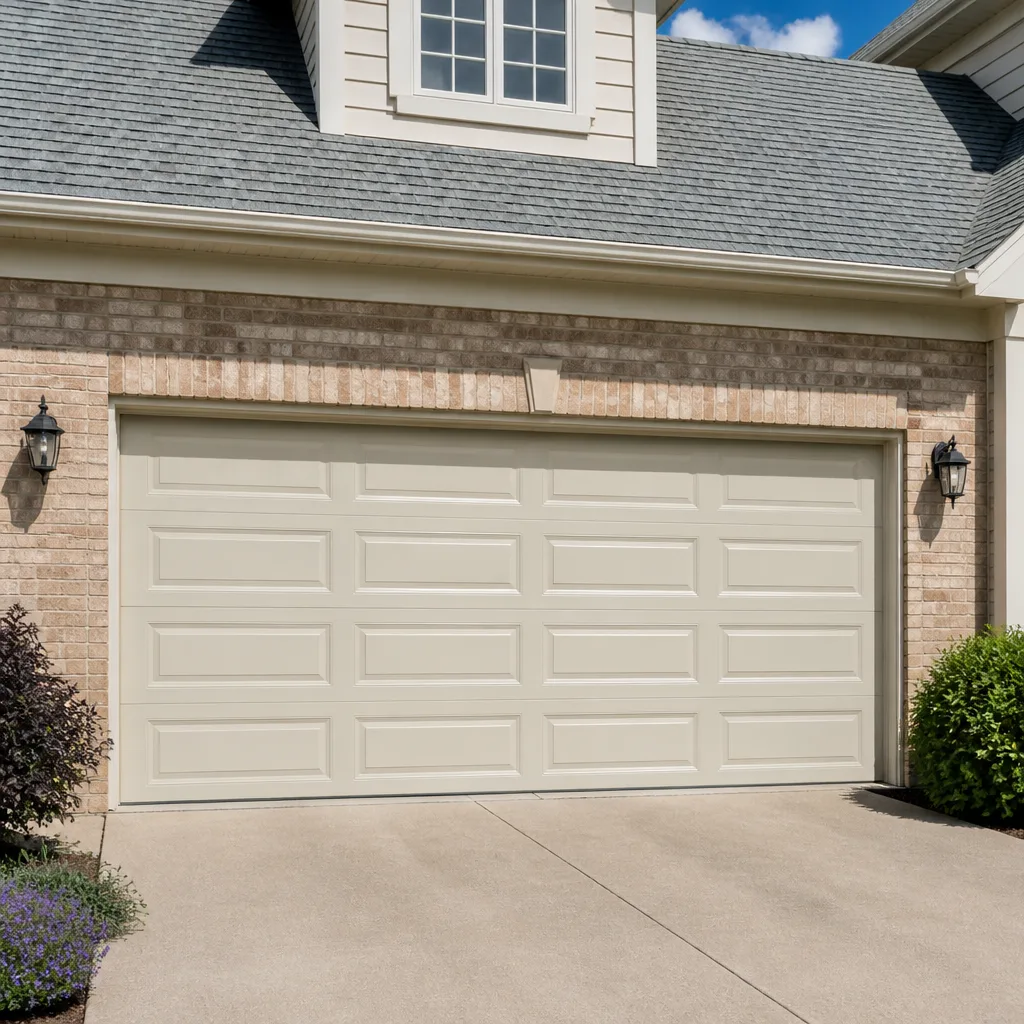 Raised-panel steel
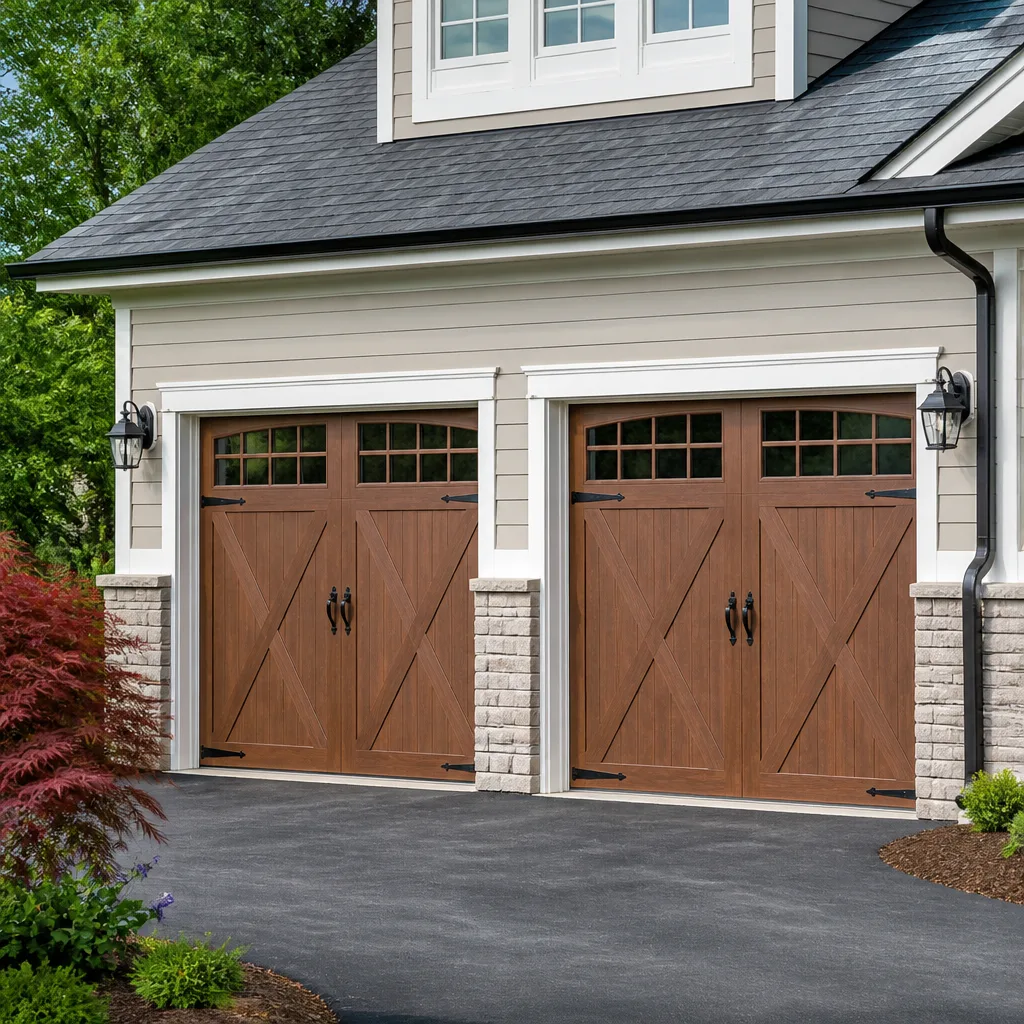 Carriage house
 Modern flush
 Full-view glass
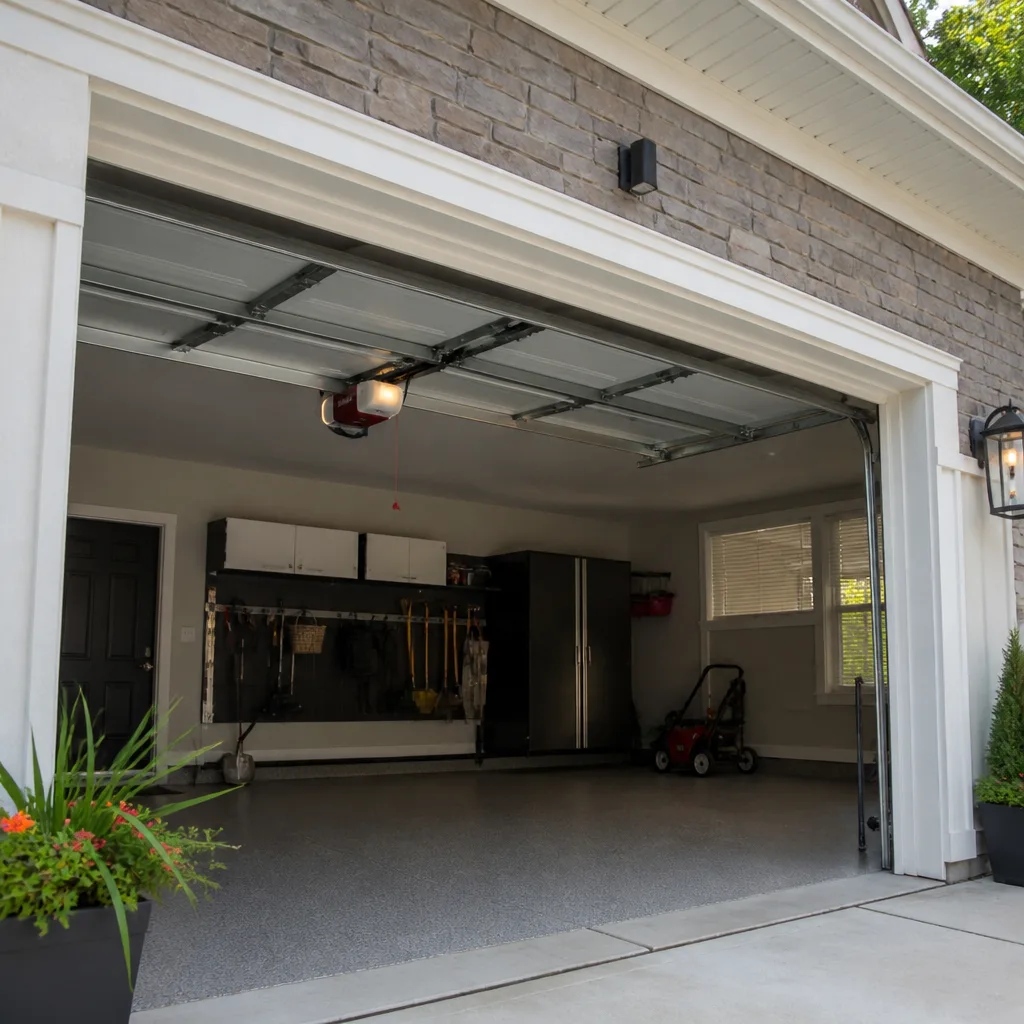 LiftMaster openers
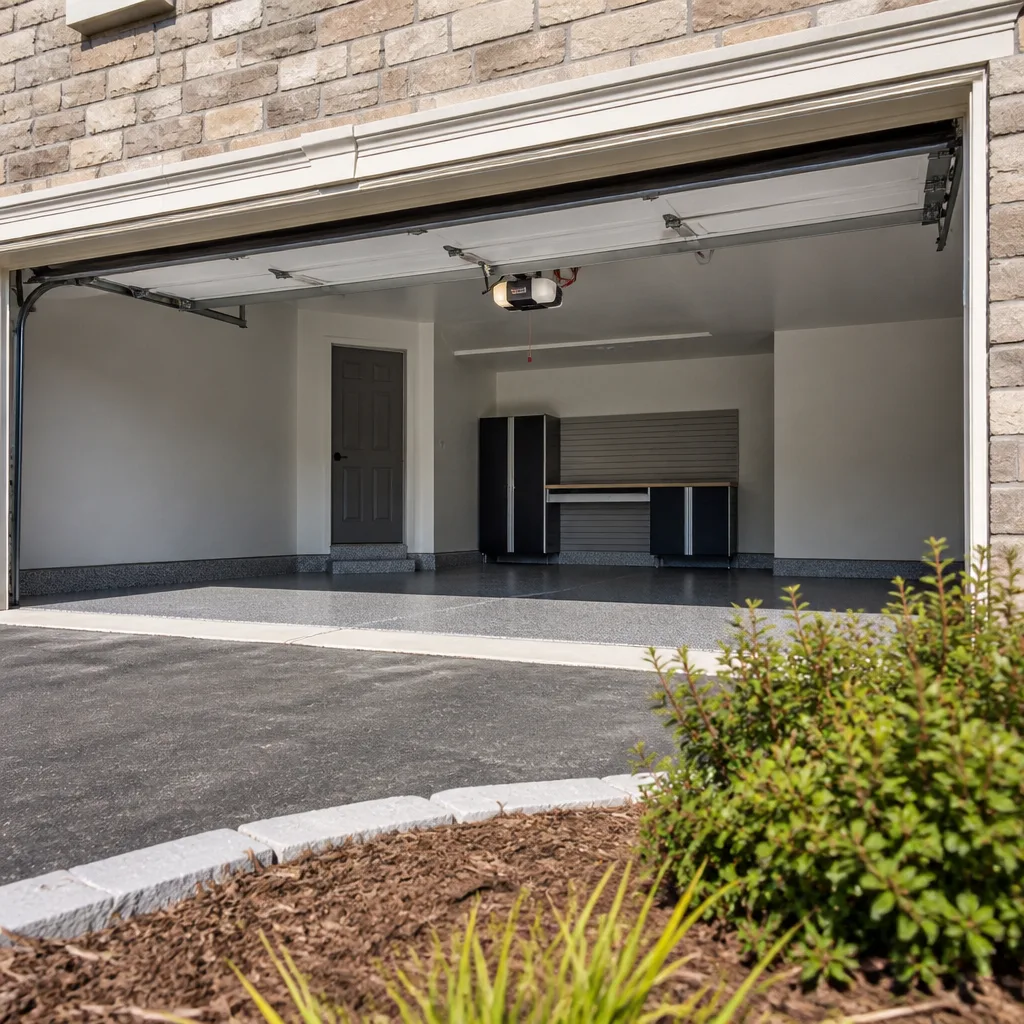 Chamberlain openers
Full 25-point door and opener safety check with every visit - springs, cables, rollers, tracks, and your LiftMaster or Chamberlain opener included
You get a price before we start. It does not change when the pro arrives.
Get your free estimateHow to Hire a Garage Door Contractor in Franklin: A Step-by-Step Guide
Most homeowners judge a garage door job on the day it’s finished. The door opens, it closes, the technician drives away, the invoice gets paid. That’s the wrong moment to judge it. The problems that actually cost money in Franklin tend to surface months later: a door that starts dragging on one side, a spring that loses tension early, a cable that jumps its drum. None of those show up in a driveway test. What separates a contractor who stands behind the work from one who doesn’t is what you checked before you hired them, not what you saw on installation day.
Quick Answer
To hire a garage door contractor in Franklin, verify three things before you sign anything: a current certificate of insurance showing general liability and workers’ compensation, a written scope that names the springs and hardware being installed and how they’re sized to your door, and a written warranty that spells out parts, labor, and exclusions. Then confirm the contractor actually services your brand, asks about door weight rather than guessing, and offers a price that’s fixed in writing before work begins. Everything else in this guide is the detail behind those three checks.
Styles & brands we work with
- Raised-panel steel
- Carriage house
- Modern flush
- Full-view glass
- LiftMaster openers
- Chamberlain openers
Table of Contents
- Why the Wrong Contractor Shows Up 18 Months Later
- What a Legitimate Contractor’s Insurance Certificate Should Show
- The Spring Question That Separates Experts From Generalists
- Reading a Franklin Quote: Red Flags and What’s Missing
- Verifying Local Reputation Beyond Google Reviews
- What a Written Warranty Should Cover (And What “Lifetime” Usually Means)
- The Step-by-Step Hiring Process
- Common Mistakes to Avoid
Why the Wrong Contractor Shows Up 18 Months Later
Garage doors are one of the few home systems where a mediocre install looks identical to a good one on day one. The door cycles smoothly, the opener engages, and the homeowner writes the check. Then time and cycles do their work. A door that goes up and down four times a day will run well over a thousand cycles in a year. Under that load, small errors compound.
The two failures that show up most in Franklin come down to spring tension and cable drum alignment. A torsion spring that’s been sized by guesswork rather than by the actual weight of the door will either be over-tensioned (which shortens its life and stresses the shaft and bearings) or under-tensioned (which forces the opener to do work it wasn’t designed for, leading to premature opener failure). Cable drums that aren’t set at the same height cause the door to lift unevenly, and the track and rollers pay for that misalignment over hundreds of cycles.
Here’s the uncomfortable part. Neither of those problems gets caught by a visual inspection. They get caught by a contractor who actually weighs the door and measures the existing springs before ordering replacements, and who checks drum height as a matter of routine. In our experience, the technicians who do this every time are also the ones who answer a callback eighteen months later. The ones who don’t are the ones who go quiet.
Franklin’s housing stock makes this more relevant than it might be elsewhere. Much of the town’s residential development runs from mid-century ranch homes to newer subdivisions off King Street and the neighborhoods around the Franklin town common, and each era came with its own spring systems and door weights. A contractor who works Franklin routinely has seen the range. A contractor driving in from an hour away may not have. When you’re hiring, ask whether they’ve worked on doors of your era and style before. It’s a fair question and the answer tells you a lot.
This guide walks through the vetting in the order it should happen: insurance first, then the spring conversation, then the quote, then reputation, then warranty. Each step builds on the last, and skipping any one of them is how homeowners end up paying twice for the same job.
What a Legitimate Contractor’s Insurance Certificate Should Show
Before you ask a contractor anything about springs or brands, ask for their certificate of insurance. This is the single most important document in the hiring process, and it’s the one homeowners most often skip because it feels awkward to request. It shouldn’t. Any legitimate garage door contractor carries it as a matter of course and will email it without hesitation.
What you’re looking for on that certificate:
- General liability coverage listed with the contractor’s business name as the insured. This covers damage to your property – a dented door panel, a scratched vehicle, a damaged wall – during the work.
- Workers’ compensation coverage with a current policy period and an active status. This is the one that protects you. Garage door work involves heavy springs, ladders, and overhead loads. If a technician is injured on your property and their employer has no workers’ comp, the liability can land on you as the homeowner. Don’t take a verbal assurance; look at the certificate.
- Current dates on the policy period. An expired certificate proves nothing. Check the effective and expiration dates.
- The certificate holder line – you can ask to be listed as the certificate holder for the job, which means the insurer will notify you if the policy lapses.
If the contractor is a sole proprietor with no employees, they may not carry workers’ comp for themselves, which is normal and not necessarily a red flag. Ask who will actually be on site and whether every person there is covered. If a subcontractor is being sent, ask for that company’s certificate too. Franklin-area homeowners should treat this as routine due diligence, not distrust.
You can also verify a contractor’s Massachusetts registration through the state’s consumer affairs resources. If the certificate and the registration don’t match the name on the quote, ask why. A legitimate business will have a clear answer.
The Spring Question That Separates Experts From Generalists
Springs are where garage door hiring gets real. They’re the most hazardous component on the door, they’re the most common failure point, and many general handyman services avoid or outsource spring work entirely because of the risk. If the person quoting your job gets vague when you ask about springs, that alone tells you something.
There are two spring systems in residential use: torsion and extension. Torsion springs mount horizontally above the door on a shaft; extension springs run alongside the horizontal tracks. They fail differently, they’re serviced differently, and the parts aren’t interchangeable. A contractor who knows both will tell you immediately which one you have and why it matters for the repair.
Then there’s the sizing question, which is the one that exposes guesswork. Garage door springs are matched to the weight of the door using a color-coded system. A technician who sizes springs by door weight will reference the door’s actual weight and choose a spring rated for it. A technician who sizes by guesswork picks a spring that’s “about right” and installs it. The first approach produces a door that cycles smoothly for years. The second produces a door that’s over or under-tensioned from day one.
Questions to ask specific to springs:
- Do you work on both torsion and extension spring systems?
- How do you determine the correct spring size for my door?
- If it’s a torsion setup and one spring is broken, will you replace both?
- What’s the expected cycle life on the springs you’re installing?
- Is the spring replacement covered by a written warranty, and for how long?
On a two-spring torsion door, matched springs fail at roughly the same rate because they’ve done the same work. Replacing one and leaving the other often means a second service call within a year. A contractor who explains this up front is being straight with you. One who quietly replaces only the broken spring and charges you for another visit later is not. Spring work is genuinely dangerous – the tension stored in a wound torsion spring can cause serious injury, and this isn’t a repair to attempt yourself. If you’re looking at a broken spring, our garage door spring repair page walks through what a safe, correctly sized repair involves.
Reading a Franklin Quote: Red Flags and What’s Missing
A garage door quote should be a written document with line items, not a number delivered verbally in your driveway. The structure of the quote tells you as much as the number on it. Here’s what a legitimate quote includes, and where the red flags hide.
A proper quote names the specific parts being installed: the spring size and type, the rollers, the hinges, any cables being replaced. It separates parts from labor. It states whether the price is fixed or an estimate subject to change after disassembly. And it gives you a written scope you can compare against another contractor’s quote.
The most common red flag in garage door quotes is the “parts and labor” bundle that hides what you’re actually paying for. When parts and labor are lumped into one number, you can’t tell whether you’re getting a quality spring rated for tens of thousands of cycles or a cheap import rated for far fewer. Always ask for the part specification separately. A contractor who can name the spring and its rating is one worth talking to. One who can’t, or who deflects, is asking you to trust them on the thing that matters most.
Other red flags:
- A quote that recommends full door replacement when a repair would solve the problem. A repair-first contractor diagnoses before recommending replacement. Ask directly: “Is this a repair, or are you recommending replacement, and why?”
- No written warranty mentioned at the quote stage. If warranty terms aren’t in the written quote, they don’t exist.
- Pressure to decide today, or a price that’s only valid if you sign now.
- No mention of permit requirements. Most significant structural work on a garage, including some door replacements, requires a permit in Franklin, so ask the town’s building department what applies to your job before you sign anything.
- Vague answers about who’s doing the work and whether they’re insured.
Pricing on garage door work varies by job, but you should always get a written estimate before any work starts, and the written estimate is what sets the final price. If a contractor won’t put it in writing, that’s your answer.
Verifying Local Reputation Beyond Google Reviews
Google reviews are a starting point, not a verification. They’re easy to manage, sometimes gamed, and they tend to reflect the day of service rather than the eighteen-month follow-up. Franklin homeowners have better tools available if they know where to look.
First, ask for local references. A contractor who works Franklin regularly should be able to name recent customers willing to talk. Ask specifically whether any of those customers had a return visit or warranty call, and how it went. The answer to the follow-up question is more useful than the initial reference.
Second, check the Massachusetts consumer affairs resources for any registered complaints or enforcement actions against the business name. Cross-reference the name on the quote against the name on the insurance certificate and the business registration. Inconsistencies here are worth investigating.
Third, look at how the contractor handles negative reviews. Every business gets one. The response matters more than the review itself. A contractor who replies with specifics and an offer to resolve the issue reads differently than one who ignores it or gets defensive.
Fourth, ask about the contractor’s familiarity with your specific brand. Franklin homes run the full range – LiftMaster and Chamberlain openers, Clopay and Amarr doors, and plenty of older Wayne Dalton and Raynor systems still in daily service. A repair-first contractor works on whatever system is already in your home. A dealer pushing one product line will steer you toward that line. Ask: “Do you service what I have, or will you try to sell me something new?” The answer to that question is often the difference between a repair and an unnecessary replacement.
Fifth, if your door is part of a homeowners association, ask the HOA board which contractors other residents have used and what their experience was. Franklin has HOAs in several subdivisions, and board members hear about the bad jobs.
What a Written Warranty Should Cover (And What “Lifetime” Usually Means)
A warranty is only as good as its fine print, and the fine print is where the difference between a real warranty and marketing copy lives. Ask for the warranty in writing before you sign the quote, and read these four things:
- What’s covered. Parts coverage and labor coverage are usually separate. A spring may carry a multi-year parts warranty while labor is covered for a much shorter period, or not at all. Know which is which.
- What voids it. Common exclusions include improper maintenance, damage from a vehicle impact, installation by someone else, and modifications to the door or opener. Understand the conditions you need to meet to keep it valid.
- Who honors it. The warranty should be from the contracting business, not just the manufacturer. Manufacturer warranties often cover the part but not the labor to replace it. If the contractor disappears, you’re left with a part and no installer.
- What “lifetime warranty” actually means. In garage door work, “lifetime” almost always refers to the life of the product or the original purchaser, not your lifetime. It also frequently means the part only, with labor billed at the current rate. Read the definition of “lifetime” carefully and ask what happens if the part fails in year three.
The warranty also matters for spring work specifically. A properly sized torsion spring should give you a long cycle life; a spring that fails early under a warranty that only covers parts still costs you the labor to replace it. Ask what the labor terms are and get them in writing.
One more thing worth checking: whether the warranty transfers if you sell the home. Franklin’s market moves, and a transferable warranty is a small but real selling point if you plan to list.
The Step-by-Step Hiring Process
Here’s the process in order. It takes about an hour of email and calls, and it’s the difference between a job that lasts and a job that fails early.
- Write down what you know about your door and opener. Brand and model if visible, approximate age, spring type (torsion or extension), and the symptom you’re seeing. This saves time and signals to the contractor that you’ve done your homework.
- Call two or three contractors, not one. Ask each whether they service your brand and work on your spring type. You’ll get a feel quickly for who knows what they’re talking about.
- Request the insurance certificate by email before you schedule anyone to come out. Look for general liability and workers’ compensation with current dates.
- Get a written quote with line items, naming the parts, the spring specification, and the labor separately. Ask what the price covers and whether it’s fixed or an estimate.
- Ask the spring sizing question directly: how will the technician determine the right spring for my door? The answer should involve door weight, not guesswork.
- Ask for the warranty in writing and read the exclusions before you commit.
- Check local reputation through references, the Massachusetts consumer affairs resources, and any HOA contacts you have.
- Compare the quotes side by side on scope, not just price. A cheaper quote with vague parts is often the more expensive option over time.
- Confirm the appointment window and who will be on site, and whether it’s the same company or a subcontractor.
- Get the final invoice itemized against the quote so you can see exactly what you paid for.
If you want to start with a repair rather than a full replacement, our garage door repair page covers how the diagnostic process works. If the symptom is on the opener side, the garage door opener repair page walks through the common failure points on LiftMaster, Chamberlain, Craftsman, and Genie units. For a full overview of what Franklin Garage Door Repair Pros does, see Franklin Garage Door Repair Pros.
Common Mistakes to Avoid
- Hiring on price alone. The lowest quote often reflects cheap components and skipped steps. A spring sized by guesswork is cheaper than one sized by weight, and it fails sooner. Compare scope, not just the number.
- Skipping the insurance check because it feels awkward. Ask by email, before the appointment. Any legitimate contractor expects the request. If yours doesn’t, that’s information.
- Accepting a “parts and labor” bundle. A single number hides what you’re getting. Ask for the spring specification and the labor separately so you can compare like for like.
- Not asking about the spring sizing method. The single question that separates a contractor who understands spring mechanics from one who’s guessing is how they determine spring size. The answer should be door weight, not rough judgment.
- Trusting “lifetime warranty” at face value. Ask what “lifetime” means, whether labor is covered, and what voids it. Read the fine print before you sign.
- Letting a dealer steer you toward a full replacement when a repair would work. A repair-first contractor diagnoses before recommending replacement. Ask whether a repair is an option, and if not, why.
- Skipping the permit question on major work. If the job involves structural changes or a full door replacement, check with the Franklin building department about permit requirements before work starts.
See the difference
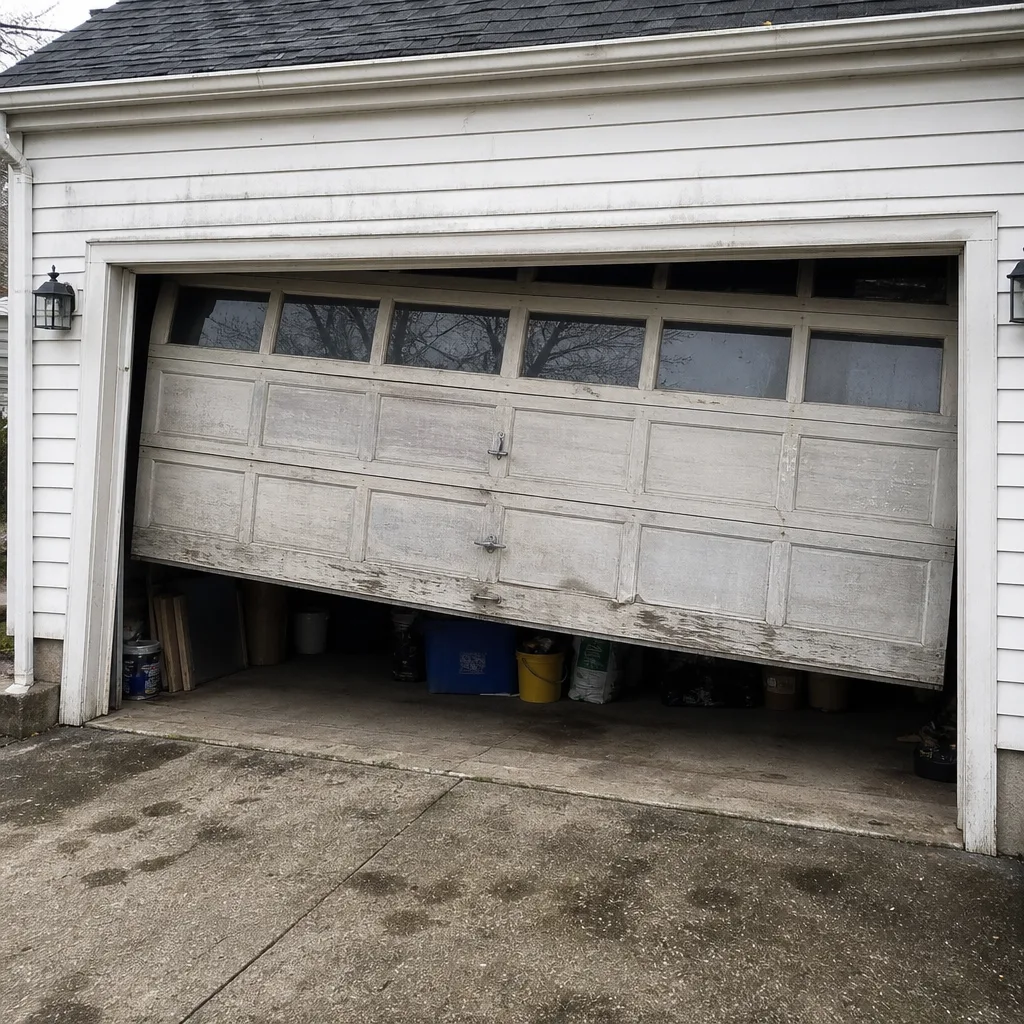 Before
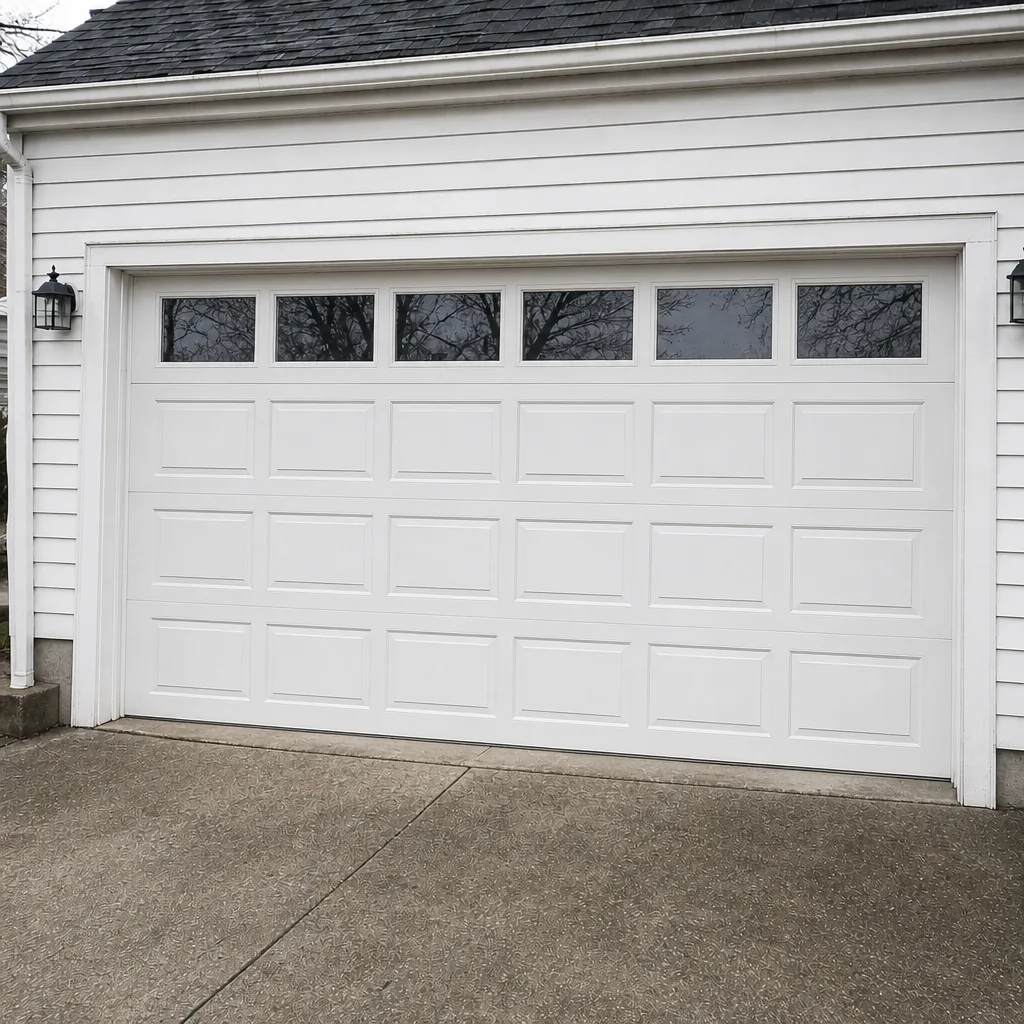 After
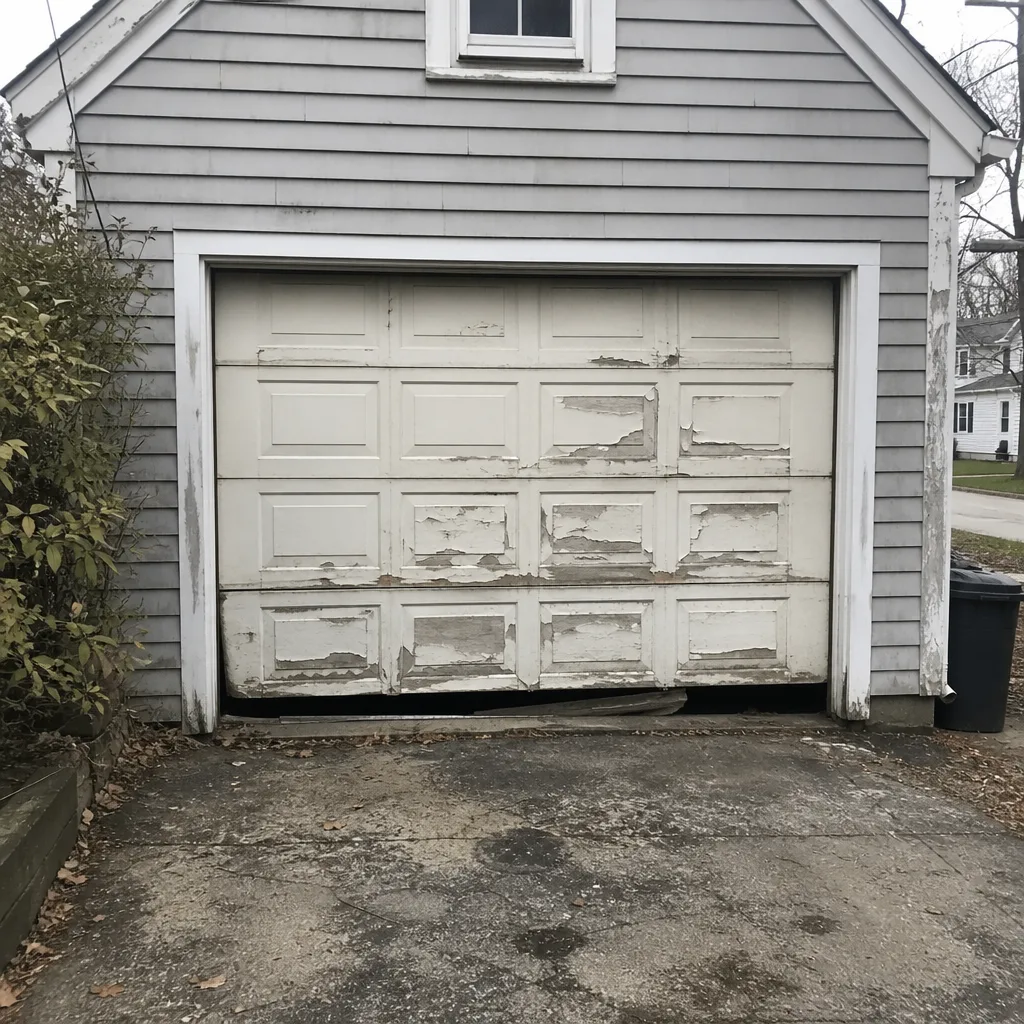 Before
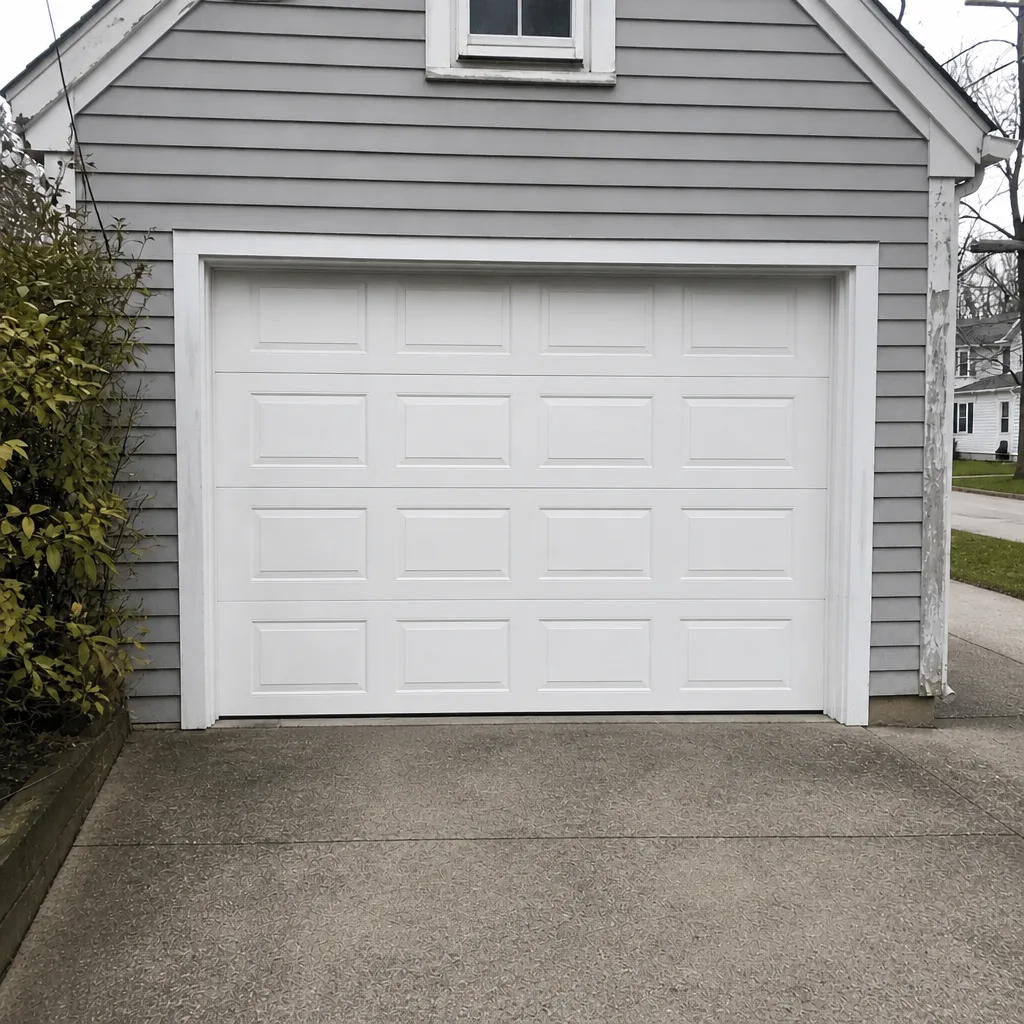 After
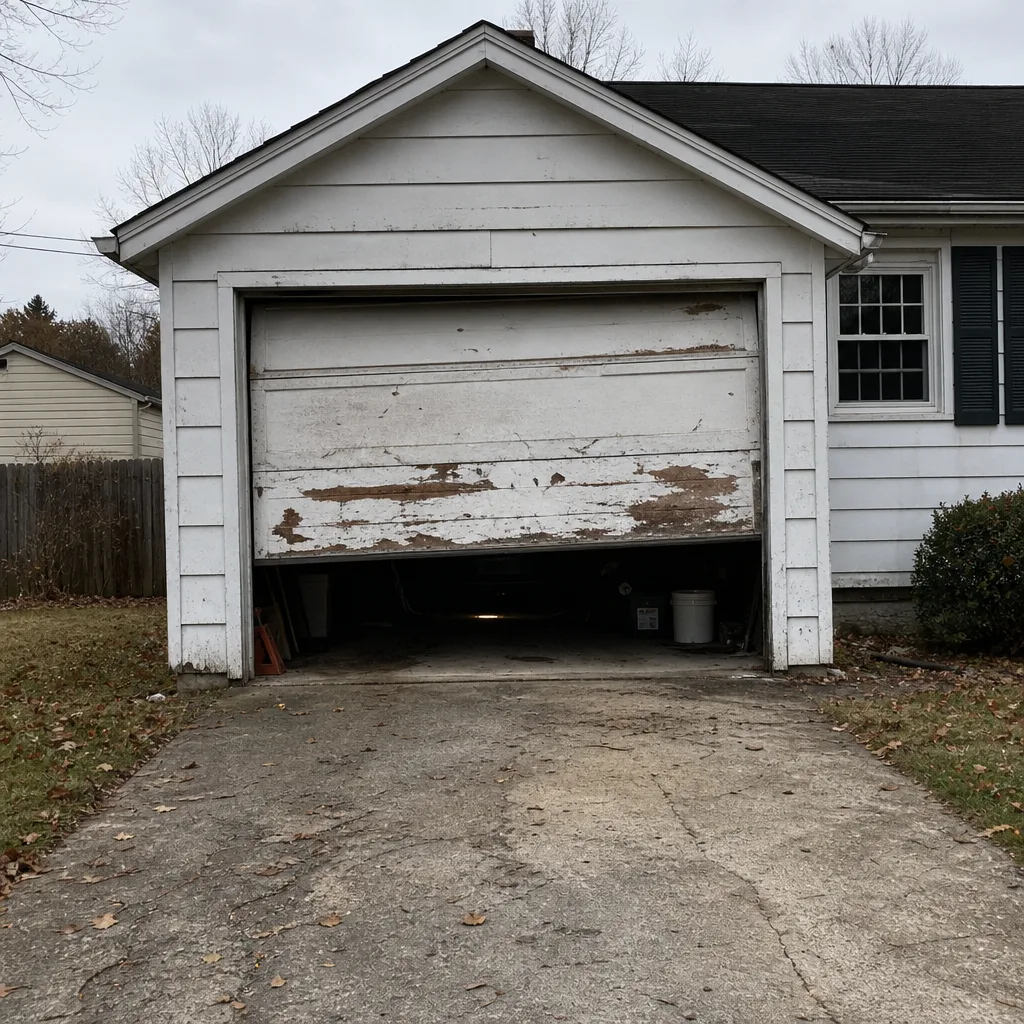 Before
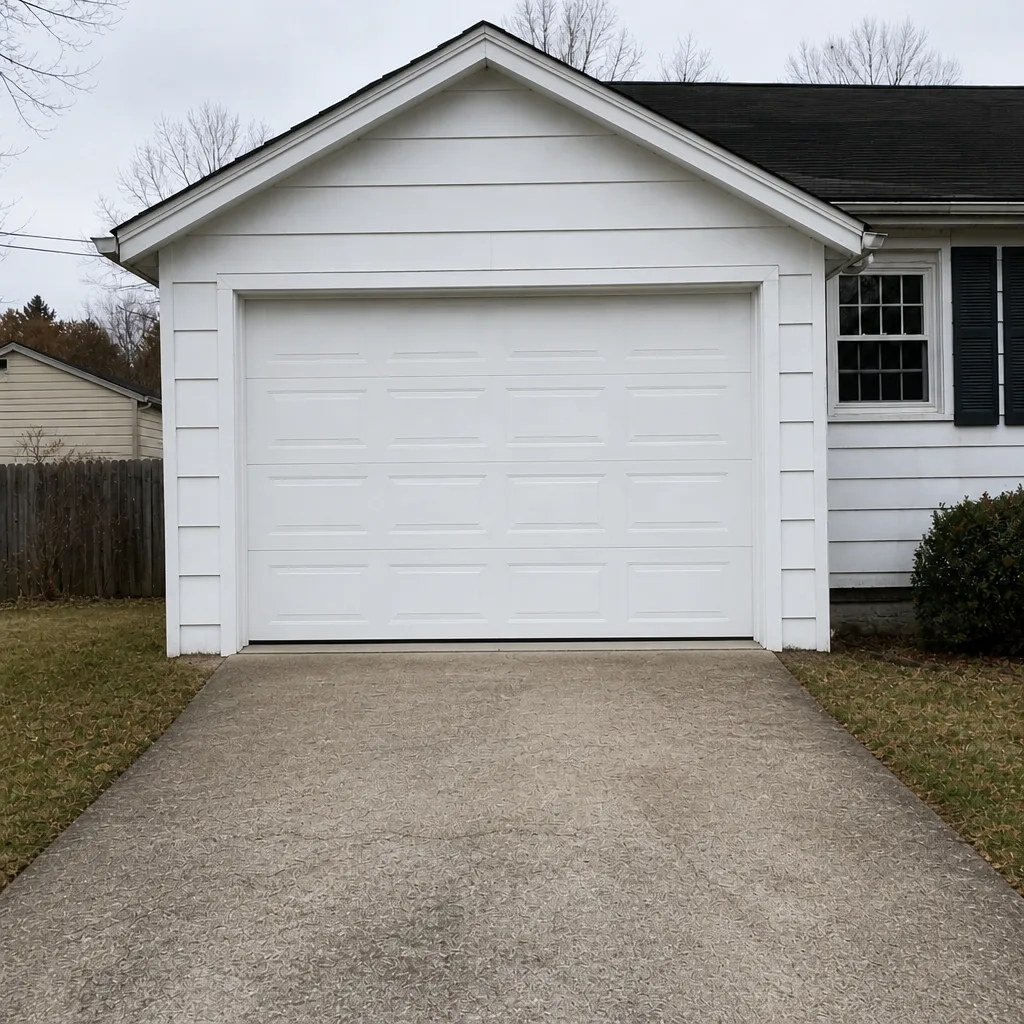 After
When to Call a Professional
Some garage door symptoms are safe to observe but not to fix. A broken spring, a cable that’s come off its drum, a door that’s fallen off its track, or a door that won’t close all the way and leaves your home unsecured – those are all reasons to call a professional rather than investigate yourself. Springs and cables are under heavy tension, and the injury risk from an amateur repair is real. A door that won’t close also leaves your garage and everything in it exposed, which makes it an urgent call, not a next-week one. If your opener is running but the door isn’t moving, or the door is moving but the opener isn’t responding, both are diagnosable and usually fixable without replacement.
If you’re in Franklin and you’re weighing whether to call, call. Franklin Garage Door Repair Pros offers free estimates in Franklin – call (888) 484-8160. We work on the brand that’s already on your door, we diagnose before we recommend, and the price you agree to is the price you pay.
Frequently Asked Questions
Spring repair pricing depends on the spring type, the door weight, and whether one or both springs are being replaced. A matched pair on a two-spring torsion door is typically replaced together because both have done the same work. Call (888) 484-8160 for a free written estimate specific to your door – the written quote sets the final price.
For repair and emergency work, same-day service is often possible, and emergency garage door service is a core offering rather than an upsell. A door that won’t open or close is a security and safety issue that can’t wait until Monday. Installation and replacement work is measured, ordered, and scheduled, so that’s a different timeline. Call (888) 484-8160 to see what’s available.
It shouldn’t, if you’ve been given a written estimate. The written estimate is the price you pay. What can legitimately change the price is discovering an issue that wasn’t visible at the quote stage, like a cracked panel or a damaged track under a closed door. A good contractor will stop, explain what they found, and get your approval in writing before proceeding. Call (888) 484-8160 for a free estimate.
The local professional we connect you with is licensed and insured as their state requires, and we recommend asking any contractor for their certificate of insurance before scheduling work. Look for current general liability and workers’ compensation coverage. Call (888) 484-8160 for a free estimate and to ask about the specific team being sent.
Permit requirements vary by the scope of the work. A full door replacement or any structural change usually requires a permit, while routine repairs typically don’t. If the job involves structural changes or a full door replacement, check with the Franklin building department about permit requirements before work starts. Call (888) 484-8160 to ask about your specific job.
We work on LiftMaster, Chamberlain, Genie, Clopay, Amarr, Wayne Dalton, Craftsman, and Raynor systems. That range matters because it means we service what’s already on your door rather than steering you toward a single product line. Call (888) 484-8160 and we’ll confirm we handle your system.
The Bottom Line
Hiring a garage door contractor in Franklin isn’t about finding the lowest bid. It’s about finding someone who’ll still answer the phone when something goes wrong down the road. That means verifying insurance before the appointment, asking how they size springs, demanding a line-item quote that names the parts, checking local reputation through references rather than reviews alone, and reading the warranty fine print before you sign. A repair-first contractor will diagnose before recommending replacement and will put the price in writing so there’s no surprise invoice. Our technicians have up to 12 years of experience, and we work on the brand that’s already on your door. Call (888) 484-8160 for a free estimate, and we’ll walk through your options in plain terms.
Written by the team at Franklin Garage Door Repair Pros.