Last updated November 23, 2026
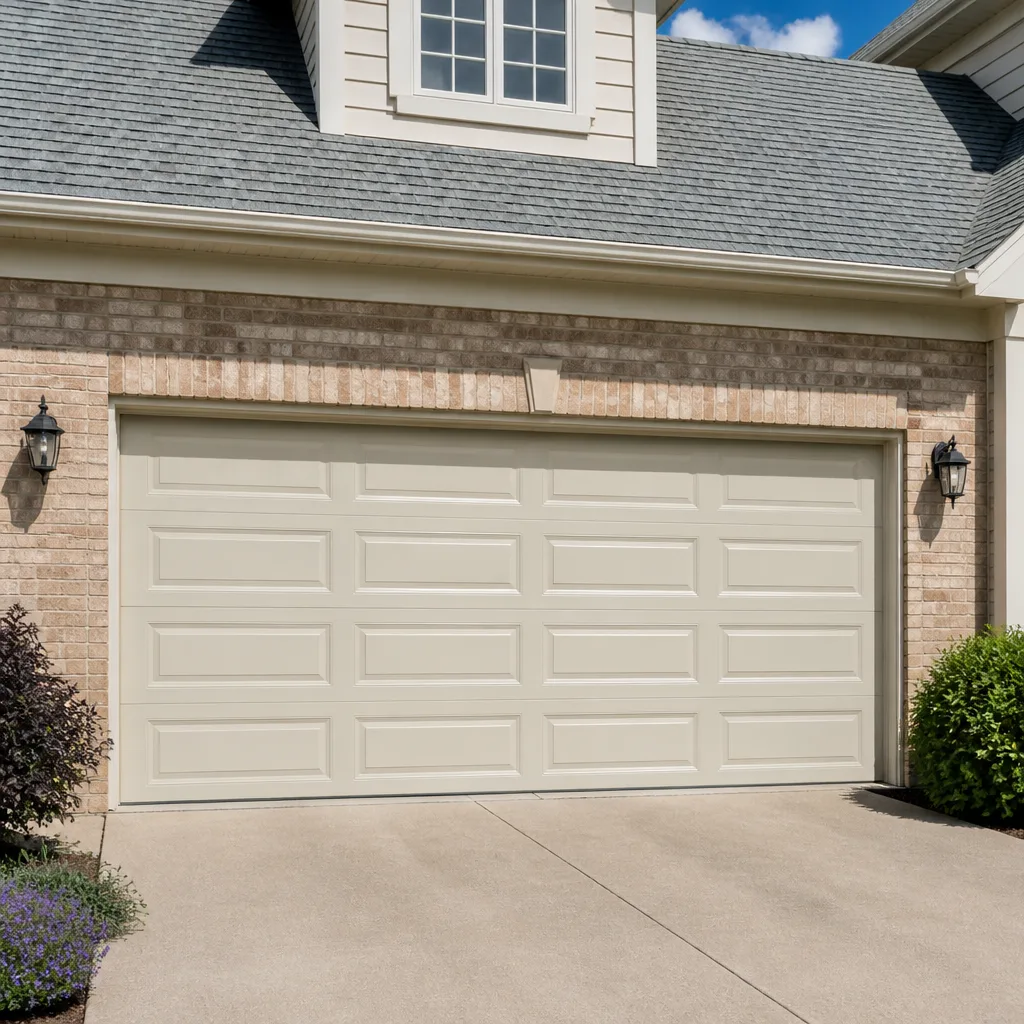 Raised-panel steel
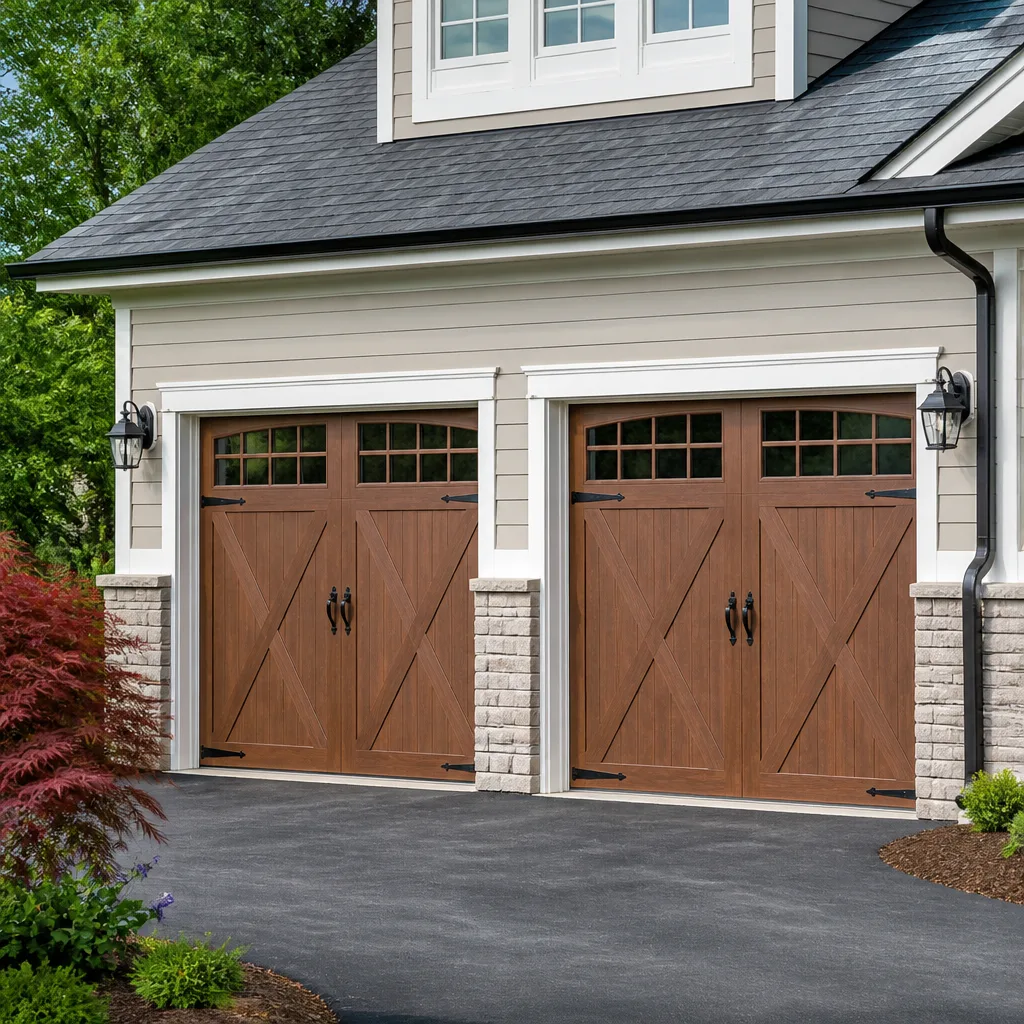 Carriage house
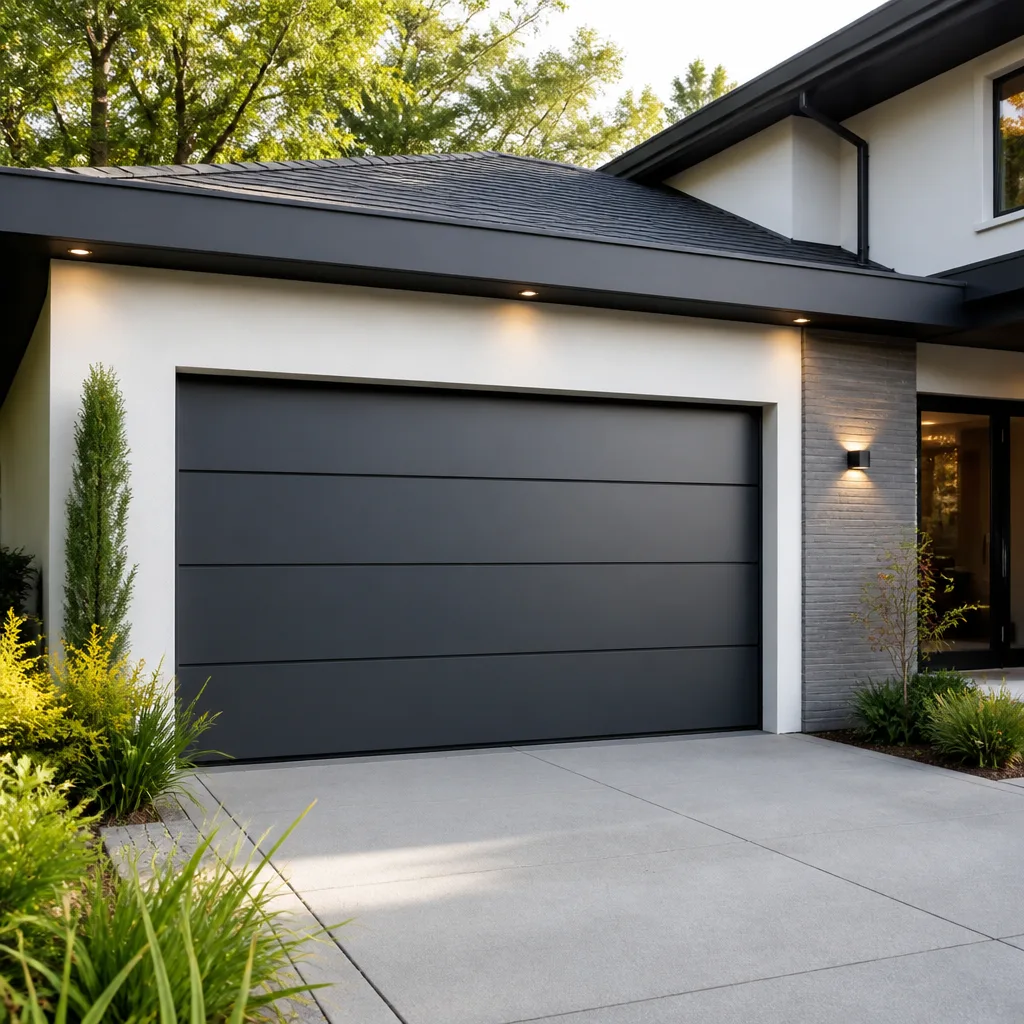 Modern flush
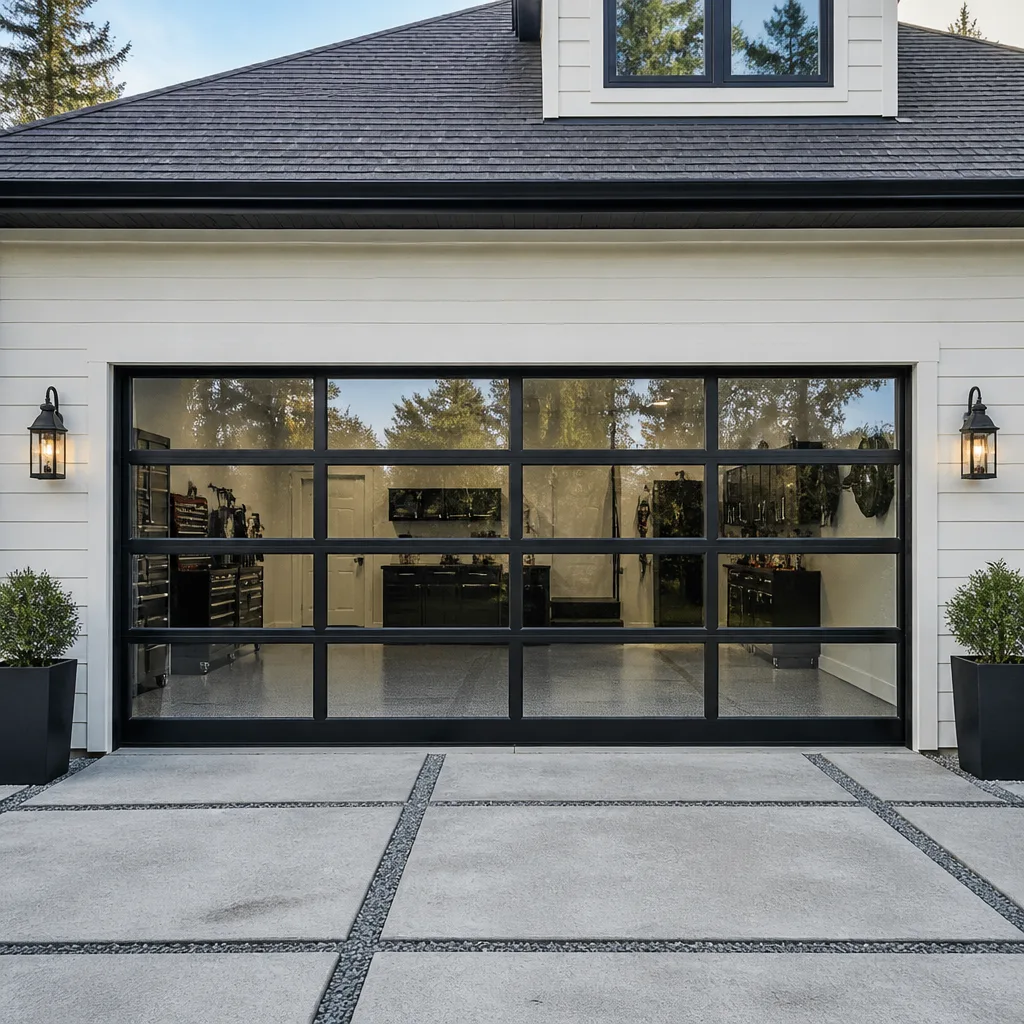 Full-view glass
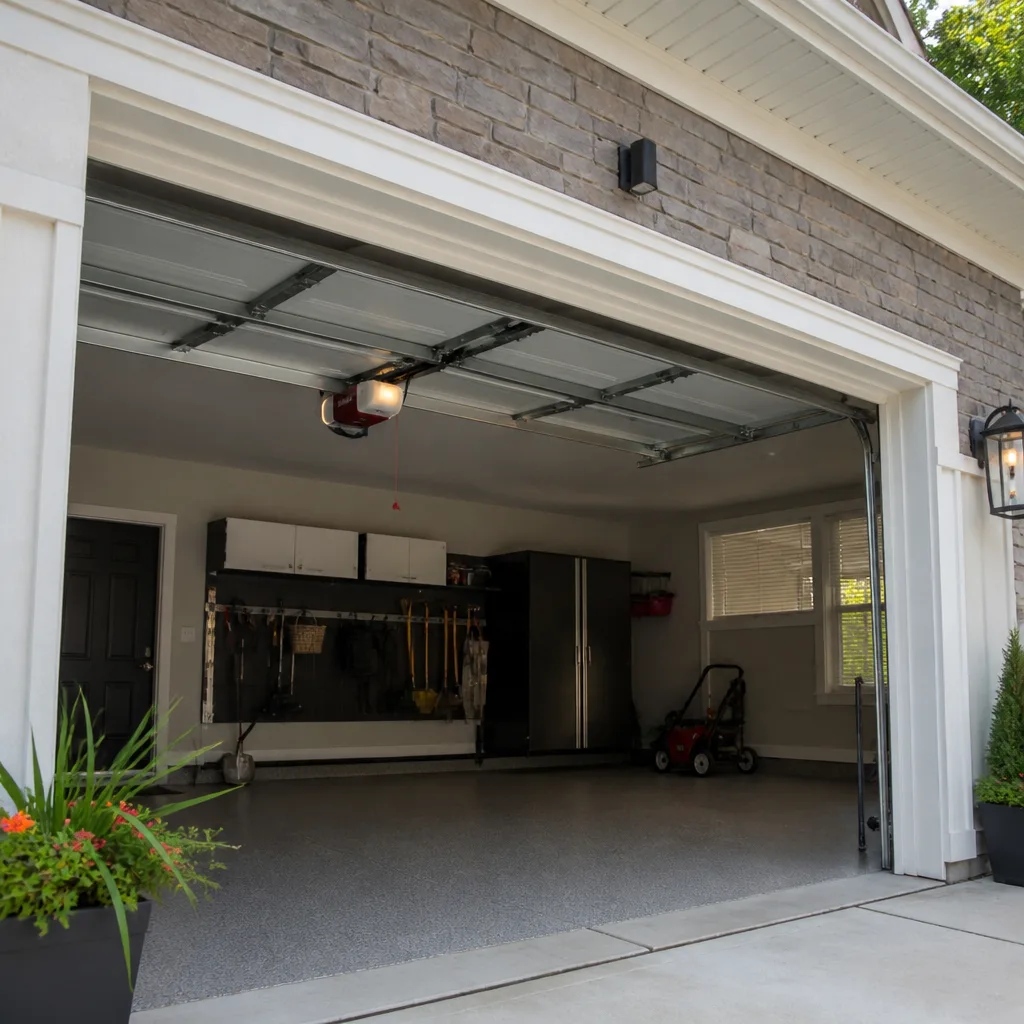 LiftMaster openers
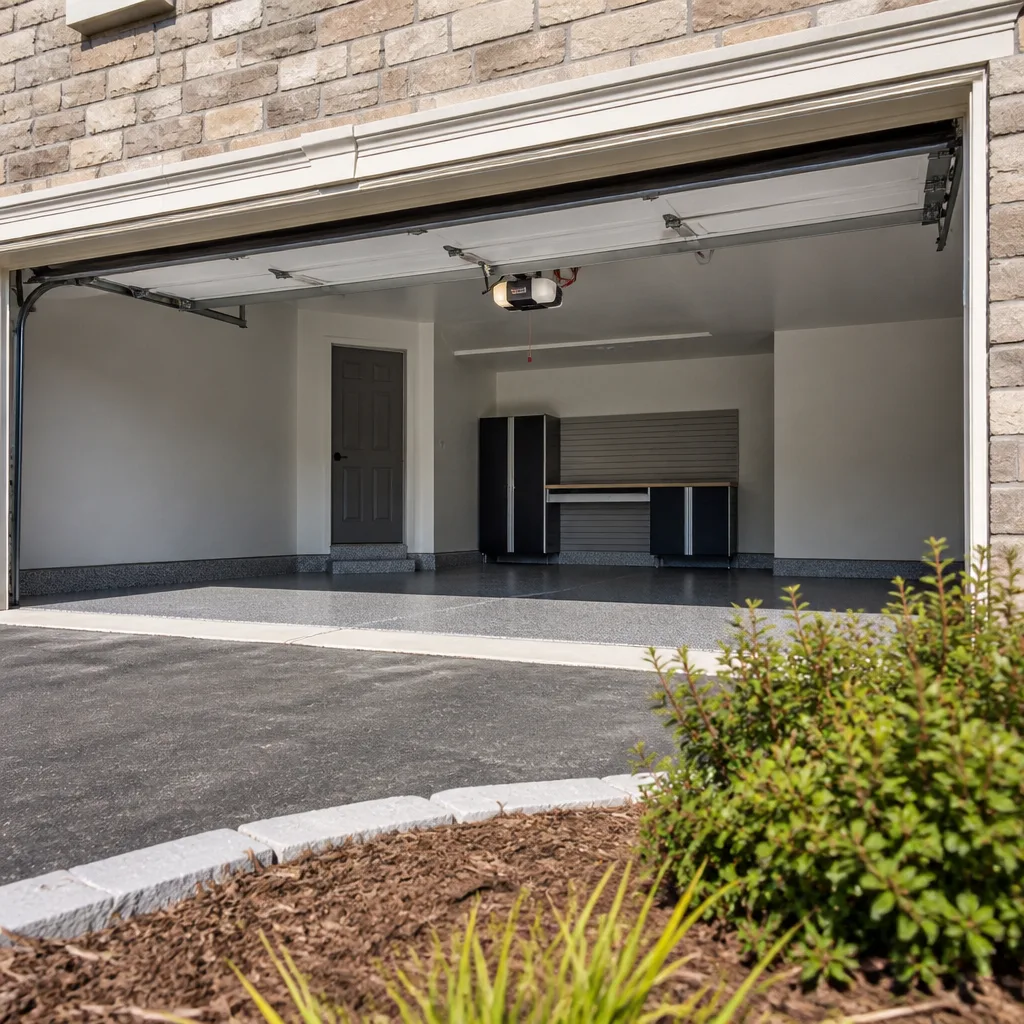 Chamberlain openers
Full 25-point door and opener safety check with every visit - springs, cables, rollers, tracks, and your LiftMaster or Chamberlain opener included
You get a price before we start. It does not change when the pro arrives.
Get your free estimateGarage Door Warning Signs: A Franklin Homeowner’s Reference Guide
Most homeowners describe the problem the same way: “it’s making a grinding noise.” That single phrase can mean a dry roller that needs a five-minute lubrication, or a torsion assembly that’s about to fail and drop a 200-pound door. The noise sounds similar. The fix, and the risk, are nothing alike. The reason so many garage doors fail suddenly in Franklin is that the early warnings were misread, or never read at all. A door tells you what’s wrong weeks before it breaks, but only if you know which sound belongs to which component. This guide is our attempt to give you that decoder ring: the sounds, movements, wear patterns, and opener behaviors that carry real meaning, plus the handful of signs that mean stop and call. We work on all eight major brands, and we’ve learned that the most useful thing we can hand a Franklin homeowner is the ability to tell a small repair from an emergency before it becomes one.
Quick Answer
The most reliable garage door warning signs are: a door that reverses before touching the floor, a grinding noise at the very end of the closing cycle, a visibly frayed or kinked cable, a door that hangs crooked, and popping or snapping sounds during travel. Two signs mean stop using the door immediately: a snapped torsion spring (usually a loud bang followed by a door that won’t lift) and a cable that has come off its drum. Everything else is a schedule-it-soon signal. If you can still open the door by hand with light pressure and it runs straight, the problem is rarely an emergency.
Styles & brands we work with
- Raised-panel steel
- Carriage house
- Modern flush
- Full-view glass
- LiftMaster openers
- Chamberlain openers
Table of Contents
- The Sound Index: What Each Noise Means and Where in the Cycle It Happens
- Visual Signs: Urgent Versus Cosmetic
- How to Read Cable Wear Without Touching Anything
- Opener Behavior Patterns That Signal Trouble Before Failure
- Is Your Door Straining the Opener Motor More Than It Should?
- The Two Signs That Mean Stop Using the Door Immediately
- Franklin Climate and Seasonal Patterns
- A Monthly Walk-Around: Five Minutes, Seven Checks
The Sound Index: What Each Noise Means and Where in the Cycle It Happens
Here’s the part most warning-sign articles skip: timing matters as much as tone. A grinding noise during the last six inches of closing points to one component. The same grinding noise at mid-travel points to another. When you call us, the first thing we ask is when in the cycle the sound happens, because that one detail narrows the diagnosis faster than anything else.
Grinding at the very end of closing. This usually comes from the travel limit being set slightly too far, so the operator keeps pushing after the door has already seated. The motor strains against a door that can’t move further. It’s a small adjustment in most cases, but left alone it wears the opener’s gears and the door’s bottom section.
Grinding at mid-travel or across the whole run. This is almost always a roller or hinge problem: a dry steel roller grinding on its track, or a bent hinge pin dragging. Lubrication or a roller swap fixes most of these. If the grinding gets louder under load, the torsion cable may be rubbing on a misaligned drum.
Popping or snapping during travel. A sharp pop that repeats each cycle usually means a roller is jumping its track edge, a hinge is loose, or a torsion spring has developed a crack that’s catching on itself. This one deserves prompt attention. Catching a spring crack before it snaps turns a repair into a repair.
Rattling that increases with speed. Loose hinges, a track that’s pulled away from its bracket, or the door’s panel bolts working loose. Usually minor, but worth a look, since a loose track bracket can lead to a derailed door.
Squealing or high-pitched whine from the opener unit itself. That’s the opener, not the door. A worn gear in the motor housing or a failing bearing will squeal before it dies. Older Genie and LiftMaster units are common culprits, and it’s a fixable condition rather than a replacement sentence if you catch it early.
When you call, describe three things: the sound, when in the cycle it happens, and whether it’s louder when the door is going up or going down. That’s the whole triage. For a door doing any of the above, our garage door repair team can diagnose it and quote before anything starts.
Visual Signs: Urgent Versus Cosmetic
Not everything you can see is cause for a call today. Some visual signs are cosmetic; some are the last warning before a failure. Here’s how we sort them.
Urgent
- A frayed, kinked, or birdcaged cable. Cables fray and frayed cables snap. A cable showing broken strands, a kink, or a curl is a stop-using signal. More on reading these safely below.
- A crooked door. A door that hangs noticeably higher on one side is one roller or cable away from a jam. That’s usually a cable or spring tension imbalance, and it gets worse, not better.
- Loose or wallowed-out bottom brackets. The plate at the very bottom corner where the cable attaches. If the bracket looks bent or its bolts are pulling loose, that’s structural and needs attention.
- A visibly bent or cracked panel, especially on an insulated door. A cracked panel can catch on the frame and jam mid-cycle.
Cosmetic
- Paint wear or rust spots on a steel door. Worth watching, but not a mechanical concern.
- A worn rubber bottom seal. A seal that’s flattened lets water and cold air in, but it doesn’t affect operation. It’s usually a simple replacement.
- Loose hinges. A loose hinge usually just needs tightening. If the bolts won’t hold, the hinge plate has wallowed out and the hinge needs replacing.
The thing homeowners should understand is that visual signs on a Franklin door aren’t only about the door. A door that hangs crooked strains the opener every cycle. What looks cosmetic from the driveway is often the first clue to an opener that’s working harder than it should. Anything on the urgent list is worth a call to get a written opinion, and our estimates are free.
How to Read Cable Wear Without Touching Anything
We want to be clear about something important: the cables on a torsion-based door are under hundreds of pounds of tension. There is no safe reason for a homeowner to touch, adjust, or “look behind” a cable. You don’t need to. You’ll see almost everything you need to see with your eyes and a flashlight from the driveway.
Here’s how to read a cable safely, standing back:
- Look at the cable length between the drum and the bottom bracket. From the driveway with the door closed, the cable should run in a clean, straight line. A kinked, curled, or slack segment is a red flag.
- Look for broken wires. A healthy cable is smooth. A failing one looks fuzzy or has strands poking out. That’s called birdcaging, and it means the cable is failing.
- Look at the drum winding. With the door closed, the cable should coil evenly on the drum. A cable over-wound on one side or sitting on the flange is a symptom of a tension or length problem.
- Look at the bottom bracket plate. It should be flat and tight against the door. Any bending or a bolt pulling through means the cable’s forces are winning against the bracket.
If any of those four look wrong, stop using the door. Don’t spray anything on the cable, don’t try to reset it, and don’t try to wind it back by hand. This is exact work with real danger attached, and it belongs with a trained technician. Our garage door spring repair team handles cable and tension work because they’re related systems, and both carry real risk when done wrong.
Opener Behavior Patterns That Signal Trouble Before Failure
The opener is a motor and a logic board, and both give you warnings before they quit. If you catch them, the repair is often inexpensive and doesn’t touch the door itself.
Motor-side warning patterns
- Straining sound and heat from the housing. A motor that’s working too hard gets warm. If your opener feels hot after a normal cycle, or you hear a labored hum, the door’s mechanicals are probably stiff, and the opener is taking the load.
- Slow open, quick close (or vice versa). An opener that starts strong and fades through a cycle may be a failing capacitor or a thermal shutdown protection kicking in.
- A grind or whine from the housing, not the tracks. Worn drive gears. Particularly common on older Genie and Chamberlain units.
- The opener runs but the door doesn’t move, or moves an inch and stops. That’s usually the drive train or a stripped opener gear, or the door’s own balance. Diagnosis will sort out which.
Logic-board and sensor patterns
- Blinking sensor lights. A sensor LED that blinks instead of holding steady points to misalignment, a wiring fault, or a sensor that’s gone bad.
- The door reverses at random. Sensor misalignment, spiderwebs in the safety eye, or a logic board fault.
- Remote or keypad sometimes works, sometimes doesn’t. Often a receiver issue on older LiftMaster units or a dying battery in the remote. Worth checking the battery first, then the unit.
- A door that won’t respond to wall button or remote but hums. Logic board or wiring issue. On modern smart-capable openers, check the app and the power before assuming the motor.
If the behavior is consistent, we recommend a proper diagnosis rather than a parts swap, because opener symptoms point in exactly opposite directions depending on when they happen. That’s precisely why our garage door opener repair starts with the diagnosis, not the invoice. We work on LiftMaster, Chamberlain, Genie, and Craftsman, so if your opener is a smart or legacy system, we’ve likely got the parts diagram.
Is Your Door Straining the Opener Motor More Than It Should?
A door that “seems fine” can still be quietly working the opener 30% harder than it should. The motor doesn’t complain loudly; it just gets tired. The evidence is subtle, and it’s in the door’s balance.
Here’s the test that costs nothing: with the door closed, pull the manual release (the red handle, pulled down when the door is closed) to disconnect the opener. Then lift the door by hand halfway. It should rise with light effort and hold itself in place when you let go. Then lower it halfway and see if it stays put.
- Rises easily but doesn’t hold: the springs are under-tensioned. The opener pulls the extra weight every cycle.
- Hard to lift, then stays: springs over-tensioned. The opener fights the springs on the way down.
- Drifts down on its own: a serious balance issue. Don’t re-engage the opener; this is a call-us situation.
- Moves easily and stays anywhere you leave it: balance is good. If it still feels stiff, look at the rollers and hinges.
Before reconnecting the opener, put the door back to its closed position and re-engage the release. If the door felt heavy, unbalanced, or drifted on its own, leave the opener off and call. A door that’s straining the opener translates into a shorter opener life and a door that may drop under load. This is a strong case for a proactive free estimate. On a Franklin home, checking the balance once a season prevents the kind of surprise repair that always seems to come at the worst moment. If your door has a LiftMaster or Chamberlain opener with a timer-to-close, don’t leave the door in a released state on a routine, because the opener doesn’t know the door is disconnected.
The Two Signs That Mean Stop Using the Door Immediately
Most warning signs give you time to schedule a repair. Two do not. We want to be unambiguous about them, because the temptation to force the door is high and dangerous.
Sign 1: A snapped torsion spring
This is usually a loud bang followed by a door that won’t lift by hand and an opener that runs but doesn’t move the door. A torsion spring holds the full weight of the door. When it snaps, that weight is now on the opener and the cables. Using the opener forces the motor to lift a 150- to 250-pound door without spring assistance, and it can fail mid-cycle. Call and stop using the door. There’s no safe temporary fix, and a torsion spring isn’t a homeowner job.
Sign 2: A cable that’s off the drum or visibly compromised
If a cable has come off its drum, is dangling on one side, or is birdcaging, the door’s lifting system is now unbalanced. Using the door can send a cable whipping, can drop the door, or both. That’s the stop-now list. Our Franklin Garage Door Repair Pros emergency line exists for exactly these situations, because a door you can’t safely close is a security issue and a safety issue at once. When we take the call, we don’t lecture. We ask a few questions to gauge the danger, then arrange a technician.
One more note that matters: if either sign is present, don’t try to lower the door by hand onto anything, don’t try to prop it, and don’t use the manual release to “test” it. Leave it as-is and get a professional out.
Franklin Climate and Seasonal Patterns
Garage doors in Franklin face a specific set of conditions. Cold winters with repeated freeze-thaw cycles, wet springs, and summer heat that swings hard. Each of these influences what fails and when.
In winter, the biggest track issue is ice. Water that runs down the drive can freeze in the bottom corners of the track, and a door that tries to close on ice can jam, reverse, or twist a roller. Clear the drive before opening or closing in a freeze. The second winter issue is stiff metal: cold makes steel stiffer, so a door that’s barely balanced becomes clearly straining in January. Spring is the season of the seal and the sweep: a mid-winter freeze can crack a rubber bottom seal, and the door then lets water past in the thaw. That’s a small repair, but it’s worth checking.
Summer testing season is when we see torsion springs fail in clusters. Metal that’s been tensioned and released through hundreds of cycles, combined with heat, can snap. It’s also when doors that were adjusted in the cold show their true balance; a door that was set snug in winter may be over-tensioned when the tracks expand. In our experience, the best time to check a garage door’s balance in Franklin is late spring and early fall, when the temperature swings are the least extreme. If a season shift suddenly introduces a grinding or popping sound, that connects the climate to the diagnosis, and it’s worth mentioning when you call.
A Monthly Walk-Around: Five Minutes, Seven Checks
A quick monthly inspection catches most of the warnings this guide describes. Do these from the ground, with the door closed unless noted. Five minutes, once a month.
- Run the door. Open and close it once and listen. A new noise or a new rhythm is worth writing down.
- Watch the door’s travel. It should run straight, at even speed. Any hang, wobble, or hitch means a balance or roller issue.
- Check the sensors. Wave an arm through the safety beam with the door in motion. It should reverse on contact.
- Walk the tracks. Look for bent sections, loose brackets, or debris. Run a finger along a section of track only after the door is closed and the opener disconnected.
- Look at the cables and drums. From the driveway, check for straight cables and even winding. Don’t touch.
- Test the balance. Release the opener by hand with the door closed, lift halfway, watch for hold or drift. Re-engage only if it holds.
- Check the seal and the bottom brackets. The seal for cracks, the brackets for bending.
Write the date of each check on a piece of tape on the wall next to the opener. When a problem appears, you’ll know whether it’s new or has been there for weeks. That’s more diagnostic information than most people realize.
Common Mistakes to Avoid
- Testing the door’s balance by grabbing the bottom. Always disconnect the opener and hold the door by the handle or a safe middle panel, never the bottom edge. The bottom edge is where a finger gets pinched.
- Spraying lubricant into the tracks. Racks and rails need dry cleaning. Grease in the tracks attracts grit, and grit chews rollers. Lubricate rollers and hinges, not the track surface.
- Adjusting opener travel limits without a balance check. If the door is out of balance, the travel limit is covering a bigger problem. Fix the balance first.
- Cutting or unwinding a spring to “see what’s going on.” A torsion spring under tension is dangerous. If you see a broken spring, don’t unwind the other one. That’s a stop-and-call situation.
- Replacing a motor when the door is the problem. If the door drags or a track is bent, a new opener will strain just as hard as the old one. Diagnose the door first.
- Lubricating the tracks with a “something is better than nothing” mindset. Use the lubricant the manufacturer specifies. A spray can of old grease in a Franklin garage is not doing your door any favors.
- Trying to straighten a bent track with a mallet. A bent track that you pound back can be worse than the original bend. Same problem, now with a cracked bracket. That’s a call-we-see scenario.
See the difference
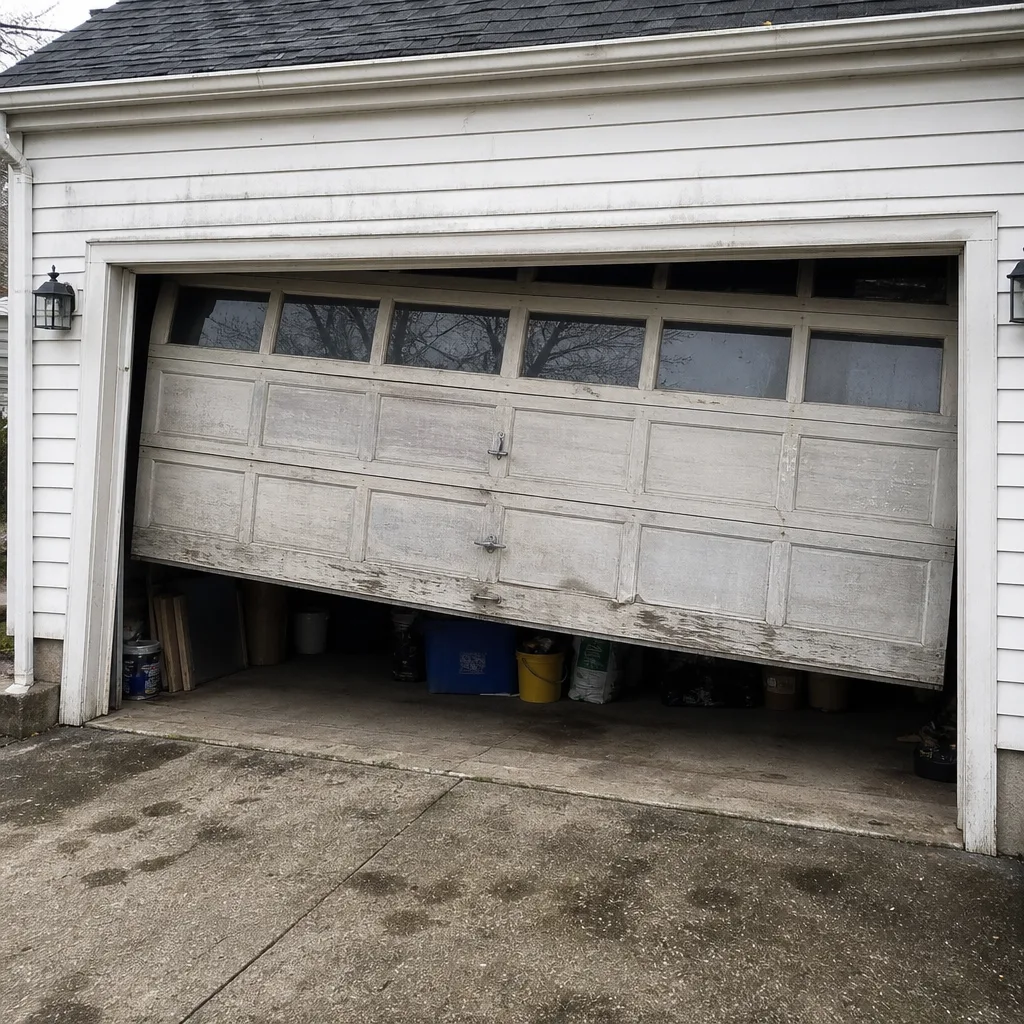 Before
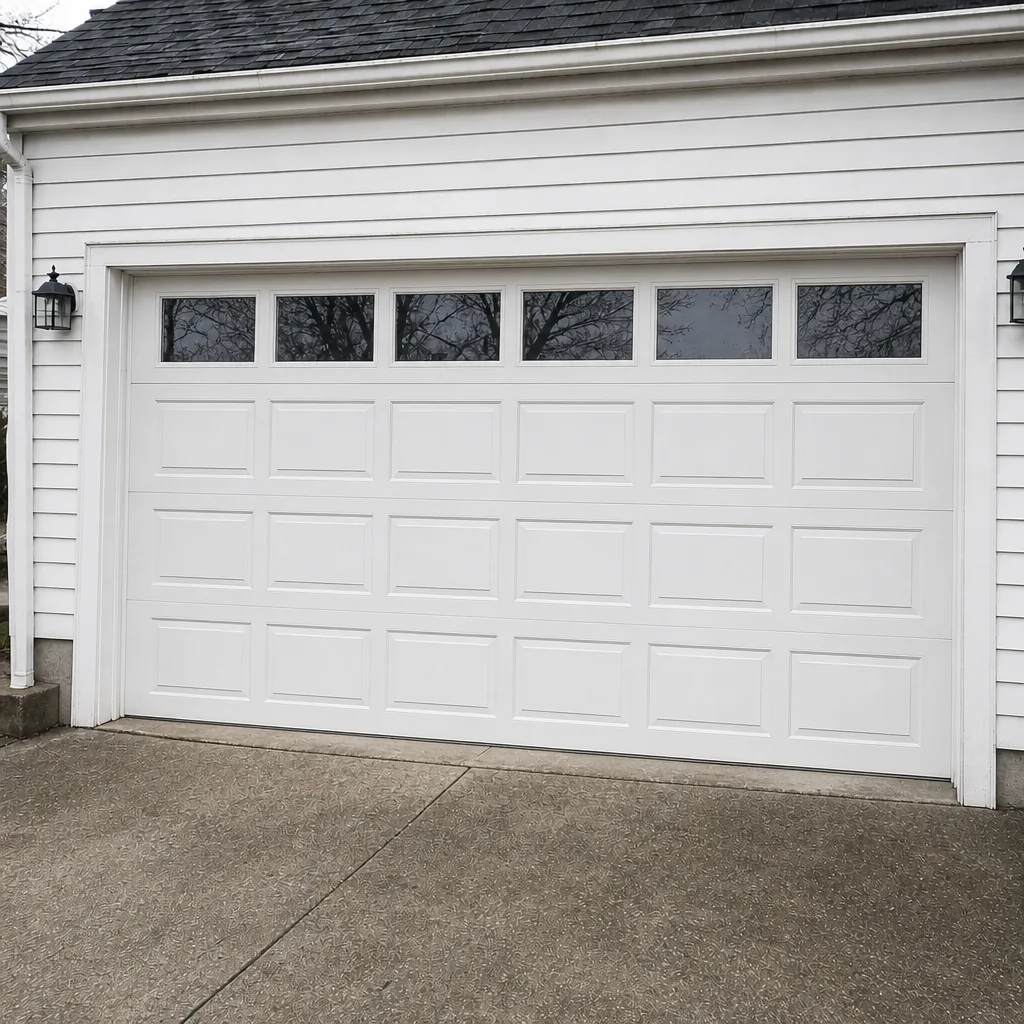 After
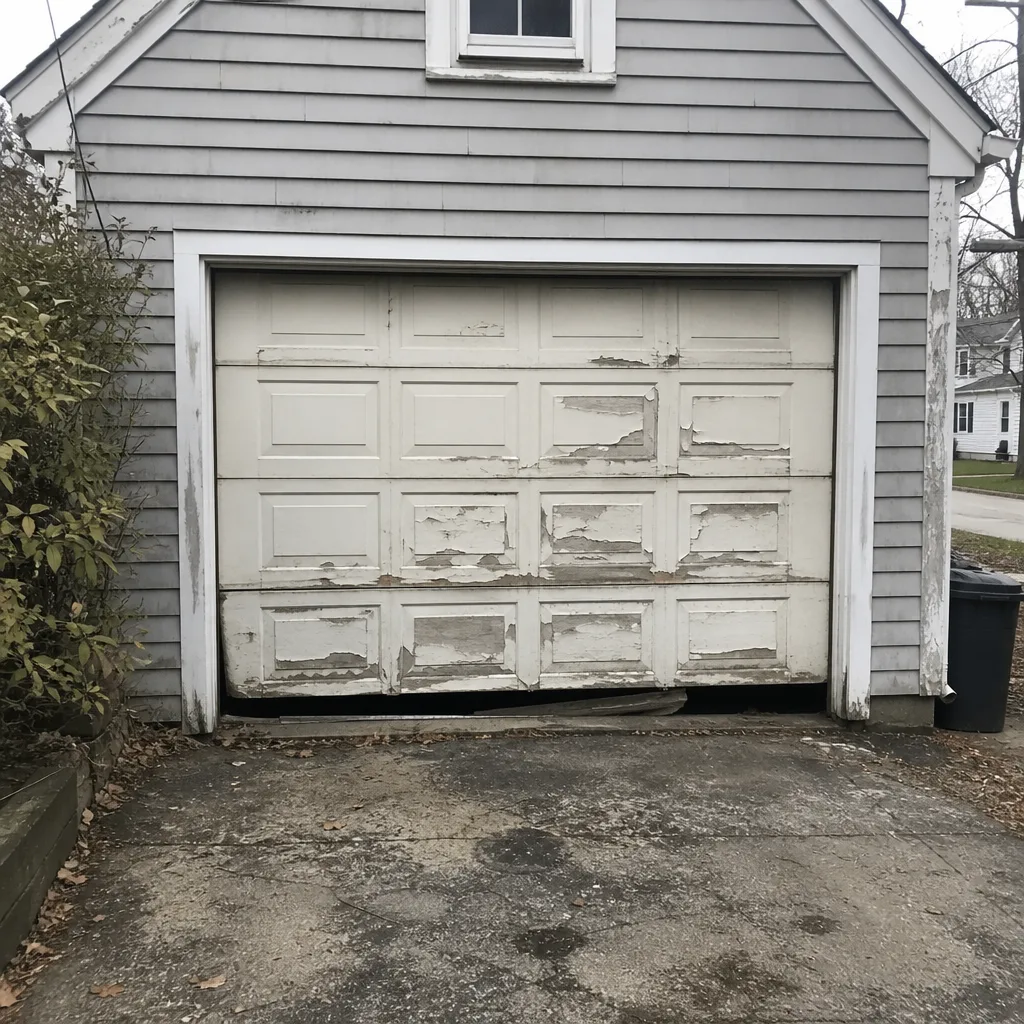 Before
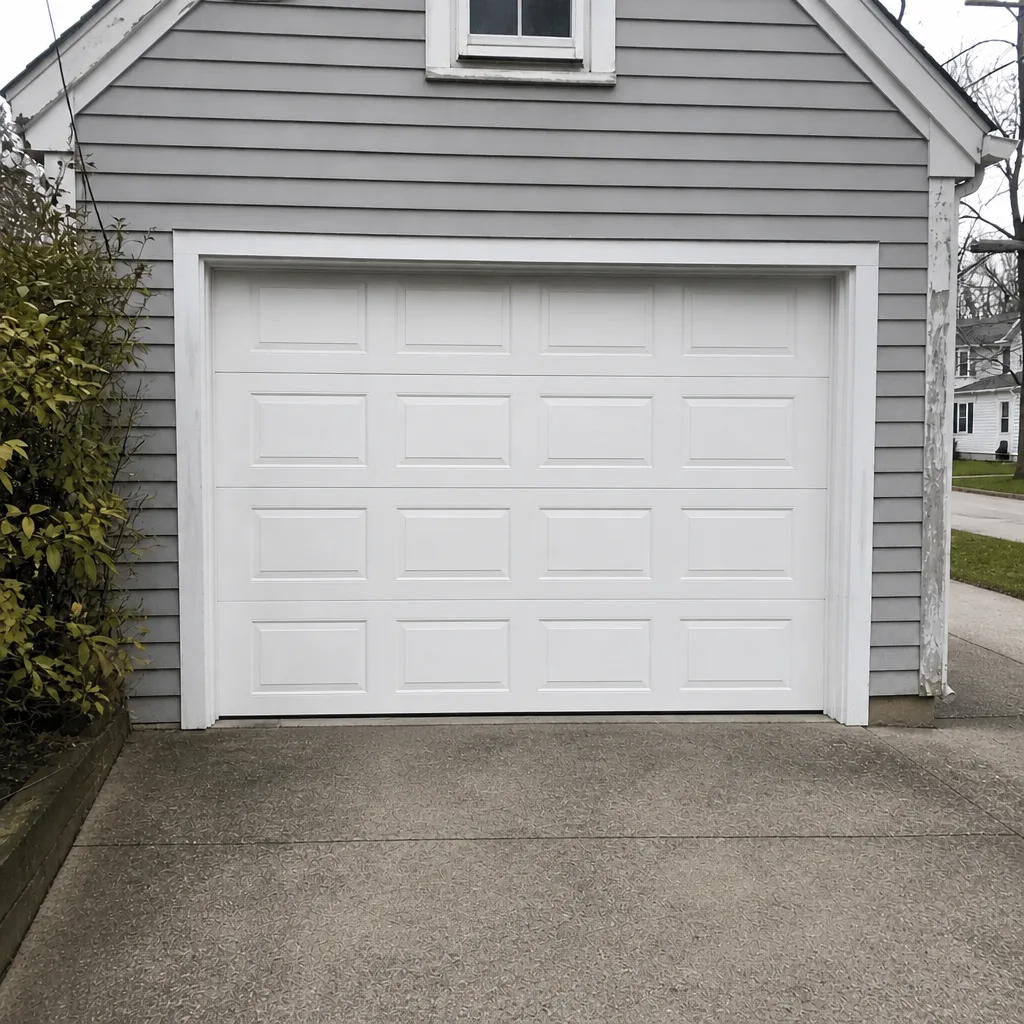 After
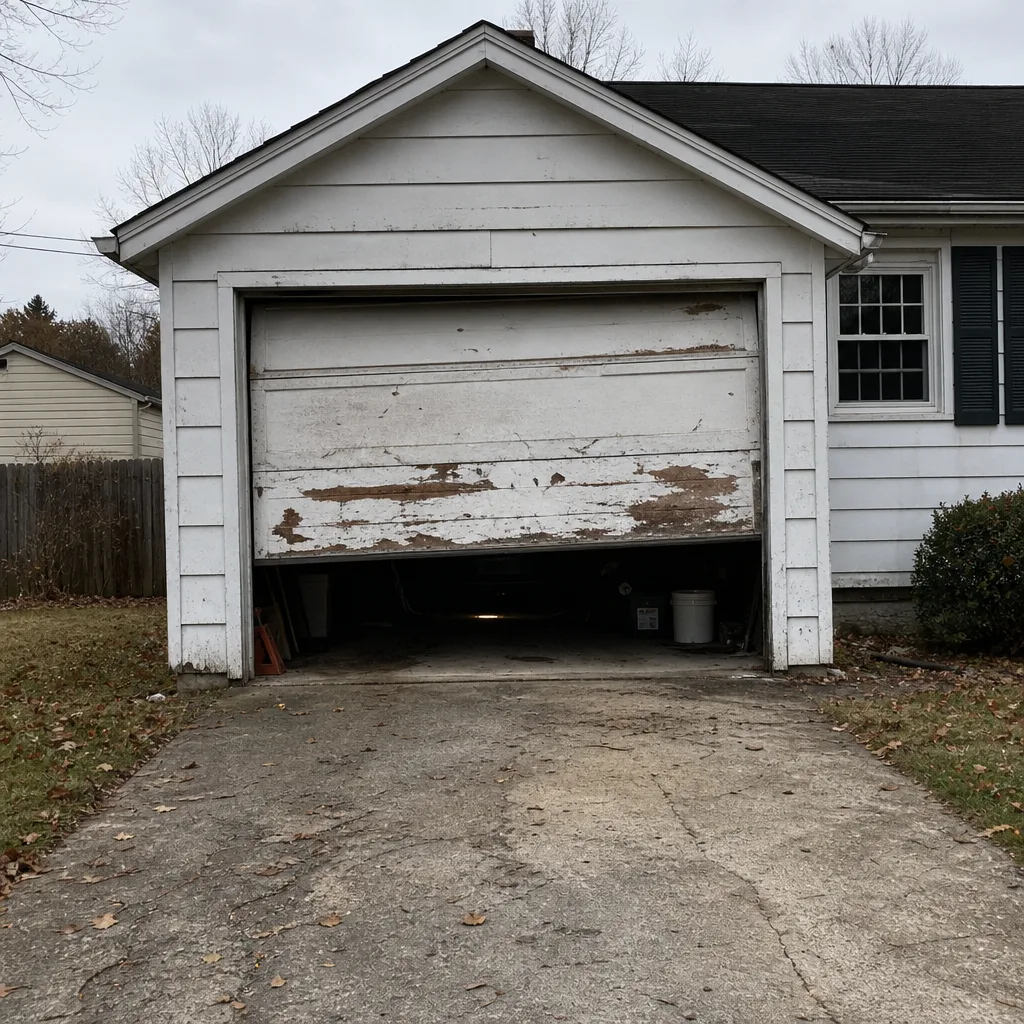 Before
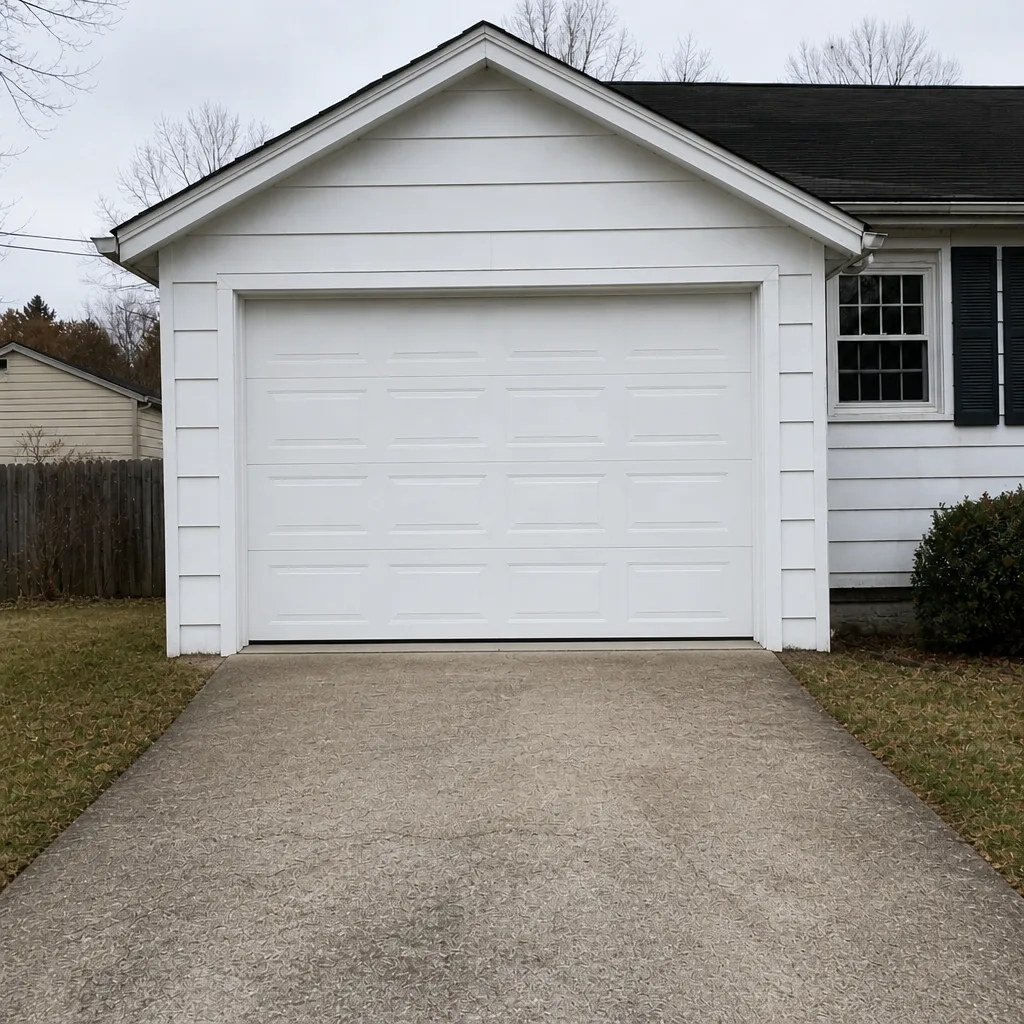 After
When to Call a Professional
Call a professional if you see a frayed or birdcaged cable, a snapped spring, a door that hangs crooked, or a bottom bracket that looks bent or loose. Call if the door reverses before it touches the floor or if the opener hums without moving the door. Call if you’ve tried to rebalance the door and the problem persists, or if a new noise appears under load. If in doubt, describe it over the phone and ask. We’re glad to talk it through, because a real tech can usually tell from the symptoms whether it can wait. Franklin Garage Door Repair Pros offers free estimates in Franklin, and our technicians have up to 12 years of experience working on every major brand. Call (888) 484-8160 – estimates are free, and the price is quoted and agreed before any work starts.
Frequently Asked Questions
Worn rollers and hinges, usually showing up as a grinding or squealing sound at mid-travel. In Franklin, freeze-thaw cycles on the drive and seasonal stiffness make minor hardware wear more noticeable, and most homeowners catch it as a new noise rather than a visible issue. The fix is usually inexpensive if caught early. Call (888) 484-8160 if the sound is new, louder under load, or accompanied by a wobble.
Usually no, but it deserves prompt attention. A repeating pop often means a cracked torsion spring catching on itself, a roller jumping the track edge, or a loose hinge. A cracked spring is on the way to failing, and a failing spring is one of our two stop-using signs. Don’t ignore it. Call for a diagnosis and a written estimate (free) before you keep running the door.
Yes, and it’s the single most useful check a homeowner can do. Disconnect the opener with the manual release while the door is closed, lift the door halfway by a safe handle or panel, and see if it holds. If it drifts down on its own or resists lifting, leave the opener disconnected and call. If it holds, re-engage and the balance is fine. Call (888) 484-8160 if the door drifts or feels heavy.
Do the balance test first. If the door holds at halfway with light effort, the opener is likely the culprit. If the door is heavy or drifts, the door’s mechanicals are straining the opener, and replacing the motor won’t fix it. That’s the repair-first logic we apply: diagnose before recommending replacement, and let the diagnosis drive the invoice.
The local professionals we connect you with are licensed and insured as their state requires, and your written price is agreed before work starts. We won’t invent a credential number; ask us and we’ll point you to the local pro’s credentials ahead of the appointment. Call (888) 484-8160 for a free estimate.
No. You get a written estimate before work starts, and that written estimate is the price. If the diagnosis finds a second issue, we tell you before doing anything, and you decide. That’s the way a repair-first shop has to work, and it’s why we lead with diagnosis, not a sales pitch.
The Bottom Line
A garage door telegraphs its failures. The sound your door makes during the last six inches of closing tells a different story from the sound it makes at mid-travel, and knowing the difference lets you decide whether the fix is small or somebody needs to come out. A door that drifts when released is quietly straining the opener; a frayed cable or snapped spring is a stop sign. In Franklin, seasonal swings make those signs appear in predictable clusters, and a five-minute monthly walk-around catches most of them while they’re still small. When you’re not sure, describe what you’re hearing and seeing, and let a tech sort it out. The right fix, not the easiest upsell, is the goal.
Franklin Garage Door Repair Pros works on LiftMaster, Chamberlain, Genie, Clopay, Amarr, Wayne Dalton, Craftsman, and Raynor, and our technicians have up to 12 years of experience. Whether the door needs a roller and a tune-up or the spring needs a proper replacement, we’ll tell you clearly. Call (888) 484-8160 for a free estimate.
Written by the team at Franklin Garage Door Repair Pros.